The number one reason AI content projects go wrong isn't the technology — it's the brief. A vague brief produces vague results, regardless of how good the tools are.
Here's exactly what to include when briefing an AI content creator, based on hundreds of projects.
Don't just send a brand book. Explain the feeling. What emotion should someone experience when they see your content? "Premium but approachable" is more useful than hex codes.
Include 5–10 reference images that capture the vibe you want. These can be from any source — photography, film stills, other brands' campaigns, even paintings. Visual references communicate what words can't.
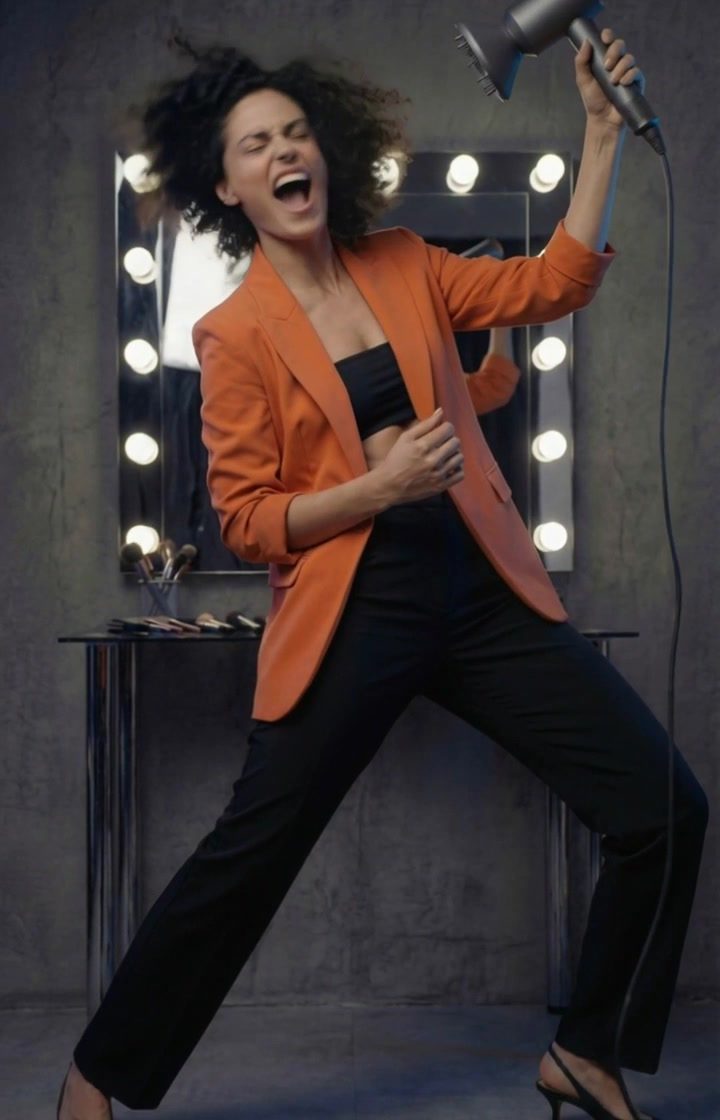
AI-generated characters need specificity. "A woman in her 40s" produces generic results. "A woman in her late 40s, Mediterranean features, silver streak in dark hair, wearing linen — the kind of person who runs a ceramics studio in Provence" gives the AI creator something to work with.
Key details: approximate age, ethnicity/features, style of dress, energy level (calm/dynamic), and the world they inhabit. The more specific, the more consistent across multiple pieces.
Specify upfront:
Avoid "make it cool" or "surprise me" — these aren't briefs, they're abdications. Also avoid over-constraining: "exactly like this reference but with our colors and a different person and in a different setting" leaves no creative room and usually produces worse results than a clear direction with creative freedom.
If your brief is longer than one page, it's probably too complex for a single deliverable. Either simplify or split into multiple projects. The best briefs fit on a single page: context, objective, visual direction, specs, timeline.
A great brief doesn't describe every pixel. It describes the world the content lives in, and trusts the creator to bring it to life.
Need AI content for your brand?
Let's talk on Telegram