A traditional fashion lookbook production: 2–4 weeks of planning, a full day of shooting, a week of retouching. Budget: $10,000–$50,000. Output: 20–40 images.
An AI lookbook: 1 week start to finish. Budget: $2,000–$5,000. Output: 50–100 images with perfect consistency. No weather delays, no model cancellations, no reshoots.
The numbers explain the trend. But the creative advantages are equally compelling.
The biggest challenge in traditional lookbook photography is consistency. Different lighting setups, model energy levels changing throughout the day, color shifts between sessions. Retouching helps, but it's time-consuming and imperfect.
AI-generated lookbooks maintain perfect consistency across 50, 100, or 200 images. Same lighting, same color grade, same energy. This matters especially for e-commerce where visual coherence directly affects conversion rates.
AI characters sidestep a practical problem: model exclusivity and usage rights. A real model's face in your lookbook might appear in three other brands' campaigns. An AI character is exclusively yours.
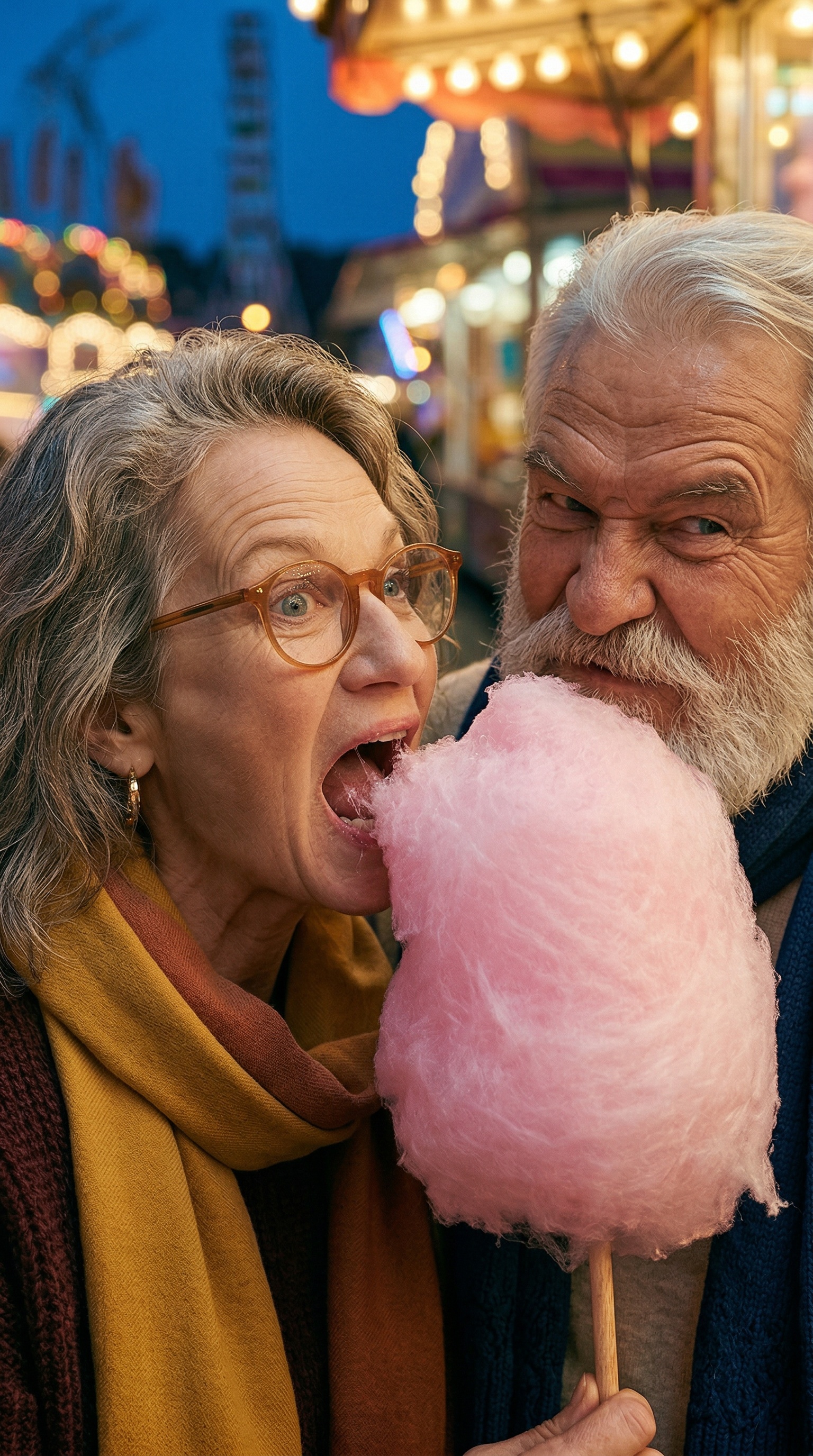
More importantly, AI characters can represent demographics that traditional casting often underserves. Mature models (50+), diverse body types, specific cultural aesthetics — without the casting challenges and budget premiums these often involve.
Need a winter collection lookbook shot in August? AI doesn't care about seasons. Snowy forests, autumn leaves, spring gardens — any environment, any time. This is particularly valuable for brands planning 2–3 seasons ahead.
The obvious question: can people tell it's AI? In 2026, for well-executed lookbook imagery, the honest answer is: most people can't, and most people don't try. The images are photorealistic, properly lit, and compositionally sound.
Where it matters is disclosure. Some markets and platforms require AI content labeling. Smart brands get ahead of this by being transparent — "AI-visualized collection" isn't a weakness, it's a statement about innovation.
Emerging and mid-market fashion brands are the fastest adopters. They need lookbook-quality imagery but can't justify the production budgets of luxury houses. AI gives them luxury-level visuals at accessible price points.
But luxury brands are watching closely. The first major fashion house to publicly embrace AI lookbooks will shift the entire conversation — and that moment is closer than most people think.
AI lookbooks aren't replacing traditional fashion photography. They're making high-quality visual storytelling accessible to brands that couldn't afford it before — and giving established brands a new creative tool for experimentation.
Need AI content for your brand?
Let's talk on Telegram